Anúncios
Have you ever stopped to consider how a simple shooter game managed to forever change the way we experience the digital world? The franchise became a global phenomenon, evolving from intense battles in historical settings to breathtaking modern and futuristic combat.
The story of Call of Duty is defined by a unique blend of cinematic action and dramatic storytelling, keeping millions of players engaged as they constantly seek out new challenges and secrets hidden within the maps.
Anúncios
Here, we explore some fascinating behind-the-scenes details of this epic journey.
The early campaigns that defined the series’ identity
Call of Duty®: Mobile
You will be redirected to another website
Anúncios
Call of Duty®: Mobile
The franchise’s identity was forged through intense and varied narratives. From the start, the goal was to offer an experience that went far beyond simple shootouts, focusing instead on the emotional weight of each conflict.
Call of Duty and the perspectives of different soldiers
A key feature that set the early Call of Duty campaigns apart was the shifting of perspectives. Instead of following a single protagonist, players took on the roles of soldiers from different nations.
This choice allowed the audience to experience the war from various viewpoints—ranging from American GIs to Soviet combatants. This structure helped build a broader, more human perspective on the global events of the era.
The historic missions that defined Call of Duty 2
Call of Duty 2 raised the bar by transporting players to a variety of iconic settings. Missions ranged from the scorching sands of North Africa to the freezing streets of the Eastern Front.
Each environment was designed to offer unique tactical challenges. The campaign progression ensured that players felt the weight of every military advance across the different fronts of Western Europe.
The visual and audio realism that set the early titles apart
Immersion in the early games was underpinned by impeccable technical craftsmanship. The sound design—featuring explosions and shouted commands—created an atmosphere of constant tension that kept the player fully engaged.
Detailed environments and realistic lighting helped establish the scene of destruction. This technical attention to detail was crucial in making Call of Duty 2 a benchmark in the action genre.
How historical conflicts were adapted for the narrative
Adapting real-world events into a game format required balancing accuracy with entertainment. The developers focused on military objectives that reflected the urgency of the historical battles.
By transforming historical facts into playable missions, the series managed to both educate and entertain, cementing the franchise as a landmark in the gaming industry.
Call of Duty 4: Modern Warfare and the franchise’s major turning point
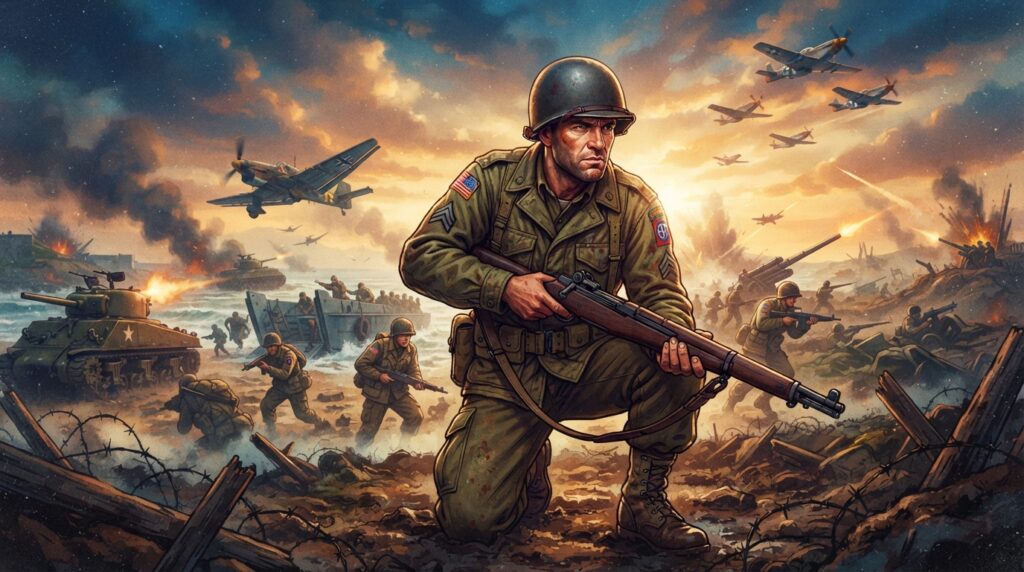
Few games have managed to redefine a genre as profoundly as the shift in focus seen in 2007.
By moving away from historical trench warfare, the series embraced a contemporary conflict that brought terrorism and special operations to the forefront.
The decision to temporarily step away from World War II
The transition to modern combat was a calculated risk that paid huge dividends. Developers realized the audience craved something new—moving beyond the repetitive settings of the past to explore current warfare technologies and tactics.
This shift allowed the studio to create an atmosphere of constant tension. The use of high-precision weaponry and night-vision gear completely transformed the gameplay dynamics.
The impact of the “All Ghillied Up” mission
One of the most memorable moments in gaming history is undoubtedly the “All Ghillied Up” mission. Set near Pripyat, it demands absolute patience and stealth from players.
The tension created by the risk of detection while crawling through tall grass is unmatched, proving that a slow, strategic pace could be just as thrilling as frenetic firefights.
The characters: Captain Price, Soap MacTavish, and Gaz
The title’s success also stems from the charisma of its core cast. The legendary Captain Price emerged as a figure of unwavering authority, guiding the player through perilous missions.
Alongside him, Soap MacTavish became the face of the franchise, fostering a direct emotional connection with the player holding the controller. The trio—rounded out by the loyal Gaz—set a new standard for the development of recurring characters.
How Modern Warfare popularized cinematic storytelling
Modern Warfare delivered not just gameplay, but an experience worthy of major Hollywood productions. Its narrative structure was designed to keep players immersed in a fast-paced plot filled with constant twists and turns.
This cinematic approach became the series’ hallmark from that moment on. Its impact was so profound that it influenced numerous other shooters seeking to replicate this successful formula.
Characters and villains who became Call of Duty icons
The emotional depth of the protagonists and villains is the true heart of Call of Duty.
Over the decades, the franchise has evolved from a mere shooter into a rich narrative experience, where every soldier bears the weight of their choices.
The evolution of Captain Price throughout the series
The legendary Captain Price is undoubtedly the saga’s most recognizable face; he began his journey as an operations commander during World War II, displaying bravery in classic settings.
Over time, he transformed into a central figure in the modern trilogy. His transition across different eras cemented his image as an unwavering mentor to new generations of soldiers.
Soap MacTavish and the emotional connection with players
Soap MacTavish’s journey is defined by constant growth; starting as a recruit in training, he quickly earns the respect of both his superiors and the audience.
His unwavering loyalty and the losses he endures throughout the campaign forge a unique bond with the player, embodying the human sacrifice required in wartime.
Vladimir Makarov and the creation of a memorable antagonist
On the other side of the conflict, Vladimir Makarov emerges as a calculating and ruthless threat. He is no ordinary enemy, but a strategist who understands how to manipulate global fear.
His constant presence heightens the tension of every mission, challenging the player to think beyond the trigger and forcing confrontations that test the morality of everyone involved.
Simon “Ghost” Riley and the mystery behind the mask
The soldier known as Ghost captivated the community with his iconic look and aura of mystery. The skull mask became a symbol of resilience and silence amidst the chaos.
He embodies the soldier who prefers action over words. This visual symbolism helped boost his popularity, making him one of the series’ most beloved characters.
Why catchphrases, visuals, and sacrifices help create memorable characters
Creating gaming icons relies on a precise combination of elements. Catchphrases, distinctive visual design, and moments of personal sacrifice transform pixels into memorable figures.
When a character faces loss or makes a difficult decision, the player feels the impact firsthand. It is this humanization that ensures names like Price, Soap, Makarov, and Ghost remain alive in the collective memory for years to come.
The stories behind the most memorable campaigns
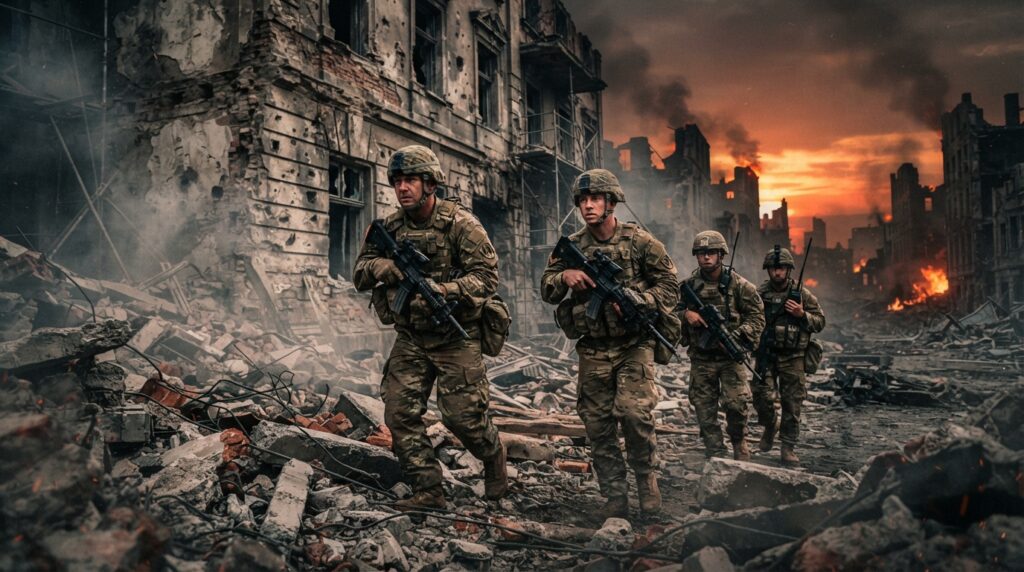
Exploring the stories behind the most iconic missions reveals how the series’ narrative has evolved over the years.
Call of Duty campaigns have always sought to go beyond mere gunplay, exploring profound themes and moments that challenge the player.
The “No Russian” mission and the controversy sparked by its content
This mission remains one of the most controversial moments in video game history. By placing the player inside a terrorist attack, the game forced a reflection on the protagonist’s role in extreme situations.
The decision to include “No Russian” ignited intense debates regarding ethics and boundaries within the industry, proving the franchise wasn’t afraid to tackle dark themes to make an impact on its audience.
The “Aftermath” sequence and the depiction of the consequences of war
Unlike other games that focus solely on glory, this sequence reveals the true cost of conflict. The landscape of ruins and destruction serves as a visual reminder of the human toll of war.
The narrative moves away from the notion of constant victory to focus on emotional impact. It is an approach that humanizes suffering and adds an extra layer of gravity to the experience.
Historical references in World at War
This title stood out for delivering a grittier, more realistic take on World War II. Developers utilized historical records to craft environments that reflect the brutality of actual combat.
Every detail—from weaponry to the setting—was designed to transport the player back in time. This historical authenticity helped cement the series’ reputation as a benchmark in the genre.
Narrative choices in Black Ops and their psychological effects
With Black Ops, the franchise delved deep into themes of espionage and psychological manipulation. The complex, twist-filled plot challenges players to question what is real throughout the entire journey.
The use of psychological elements creates a constant tension that sets this title apart from the rest. The compelling narrative holds the audience’s interest right up to the story’s final moments.
How the franchise balances action, shock, and dramatic development
The success of Call of Duty campaigns lies in the balanced blend of adrenaline and shocking moments. By incorporating intriguing details and plot twists, the developers ensure the experience remains memorable.
Dramatic character development acts as the glue holding all that intense action together. In this way, the series has managed to maintain its relevance and emotional connection with players over the decades.
Conclusion
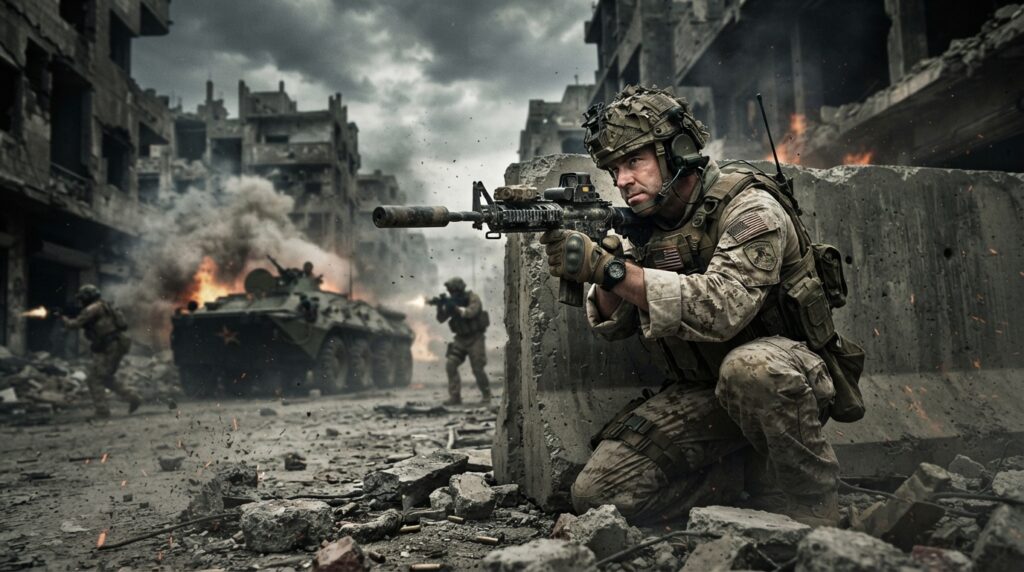
The journey of Infinity Ward and Activision has transformed the way we view shooters.
Every detail—from the tension in missions like “All Ghillied Up” to the complexity of characters like Captain Price—has shaped the series’ identity. These insights reveal the technical and creative care poured into every title released over the decades.
The franchise’s success goes beyond weapons and maps; it lies in the emotional connection players form with the campaigns and the constant curiosity to uncover secrets hidden within each environment.