Anúncios
Do left-handed gamers face a disadvantage when picking between symmetric and asymmetric gaming mice? As eSports grows, knowing how these designs affect sensitivity and performance is key. This is especially true for left-handed players who often feel left out by standard products.
This section looks into the details of gaming mice. It shows how left-handed players can boost their FPS gaming by choosing the right mouse. With the right gear, left-handed gamers can level up their game and compete fairly.
Anúncios
Understanding Gaming Mice: Definitions and Types
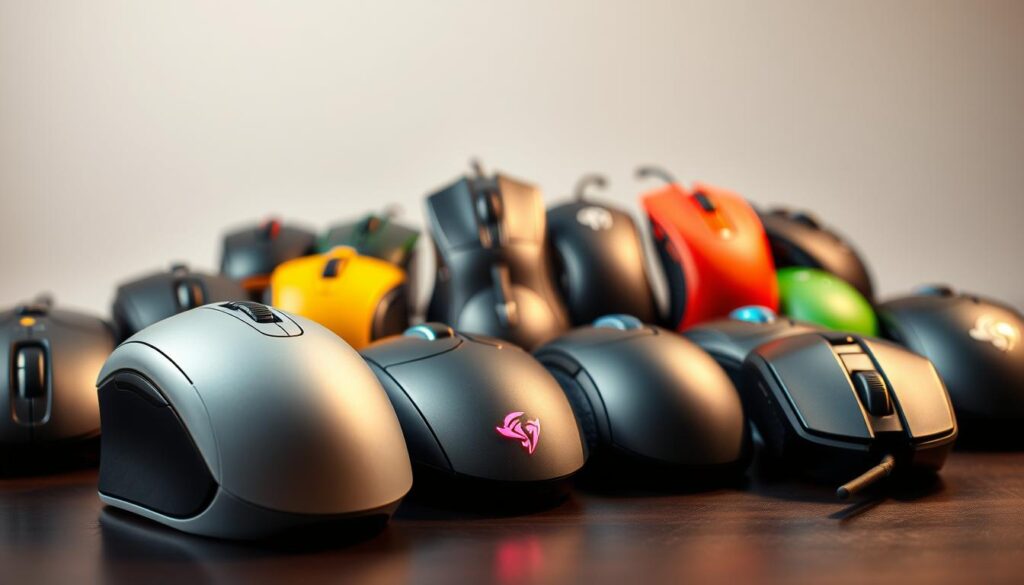
Gaming mice are special tools made to improve your gaming experience. They come in two main types: symmetrical and asymmetrical mice.
Symmetrical mice, also known as ambidextrous, work for both left and right-handed users. The Razer Viper V3 Pro is a great example. It has a balanced design that feels comfortable for anyone. These mice are perfect for gamers who switch hands or prefer a neutral grip.
Anúncios
On the other hand, asymmetrical mice are made for one hand, either right or left. Brands like Logitech make these mice to fit your dominant hand. They aim to boost your gaming speed and precision, which can really help your game.
| Type of Mouse | Design | Usage | Examples |
|---|---|---|---|
| Symmetrical Mice | Balanced shape for ambidextrous usage | Suitable for both left and right-handed users | Razer Viper V3 Pro |
| Asymmetrical Mice | Ergonomically shaped for dominant hand | Designed for right or left-hand use | Logitech G502 |
Ergonomics in Gaming Mice Design
Ergonomics is key in gaming mice design, making gaming more comfortable. An ergonomic mouse fits the hand’s natural shape, easing strain during long gaming hours. This design boosts both comfort and gaming skill.
The shape and size of a gaming mouse matter a lot. Ergonomic mice support the palm, easing wrist and finger pressure. This is vital for gamers who play for hours, preventing discomfort and injuries.
Good ergonomic mice fit different grip styles, like palm, claw, and fingertip grips. Each grip has its own benefits. Knowing this helps gamers pick a mouse that fits their hand and grip style best. Ergonomics is crucial for a gamer’s performance and fun, making it key in choosing a mouse.
| Mouse Type | Comfort Level | Suitable Hand Positioning | Grip Style Compatibility |
|---|---|---|---|
| Ergonomic Mouse | High | Natural alignment | Palm, Claw |
| Symmetric Mouse | Moderate | Neutral alignment | All styles |
| Asymmetric Mouse | Varies | Customized alignment | Palm, Claw |
Key Features of Symmetric Mice
Symmetric mice are great for gamers, fitting both left-handed and right-handed users. They have special features that make them easy to use and comfortable. With buttons on both sides, left-handed gamers can use them without the usual problems.
Definition and Design Characteristics
Symmetric mice are known for their balanced design. This design makes them symmetrical, giving all buttons equal access. This is perfect for different hand types.
The Razer Viper V3 Pro is a great example. It uses new tech but stays comfortable for all grip styles. This makes it flexible for users.
Advantages for Left-Handed Users
Left-handed users get a lot from symmetric mice. They avoid the usual problems of asymmetric mice. The symmetrical design lets hands rest naturally, reducing strain.
This design makes gaming smoother and more comfortable. Left-handed gamers can pick a mouse that meets their needs without losing functionality.
Exploring Asymmetric Mice
Asymmetric mice are made for right-handed users. They have special designs that might not work well for left-handed gamers. For example, the Razer DeathAdder V3 is great for right-handed users but not as good for left-handed ones.
Design Specifics and Ergonomics
Asymmetric mice have designs that help right-handed gamers. They have inward sloping sides and custom shapes. But, these designs can be hard for left-handed gamers to use.
Left-handed gamers might find these mice uncomfortable. They might struggle to hold them right because they’re made for right-handed users. This can make gaming less fun and less effective.
Challenges for Left-Handed Gamers
Left-handed gamers have it tough when it comes to asymmetric mice. There aren’t many mice made for them. This means they have to choose between comfort and performance.
Some left-handed gamers might get tired easily because of these mice. This can make gaming less enjoyable. Knowing these challenges can help left-handed gamers find better mice.
Sensitivity Differences Between Symmetric and Asymmetric Mice for Left-Handed FPS Players
It’s important for left-handed FPS players to know about sensitivity differences in gaming mice. Symmetric mice have a balanced feel that works for many grip styles. Asymmetric mice, on the other hand, fit specific hand shapes and can be more comfortable for some.
Left-handed players might notice differences in how these mice perform. Symmetric mice usually work the same at any sensitivity setting. But, asymmetric mice can either help or hinder left-handed players, depending on their style and preference.
The way gaming mice respond affects how accurate players are in fast games. Finding the right sensitivity setting is key to balancing speed and precision. It’s essential for left-handed FPS players to experiment and find what works best for them.
Mouse Grip Styles and Their Impact on Performance
The grip style of a mouse is key to a gamer’s comfort and performance. There are three main styles: palm grip, claw grip, and fingertip grip. Each has its own benefits, depending on what you like best. Knowing about these styles helps gamers pick the perfect mouse for their games.
Palm Grip vs Claw Grip vs Fingertip Grip
Each grip style fits different hands and play styles. The palm grip is great for long gaming sessions. It’s comfortable because your whole hand rests on the mouse. You’ll need a mouse that’s a bit bigger for this style.
The claw grip is for quick, agile movements. Only your fingers and a bit of your palm touch the mouse. People who use this grip like mice that are shorter and have a steeper back.
Fingertip grip is all about speed and precision. It’s best for fast games. Mice for fingertip grip are light and small, making them easy to move around.
Choosing the Right Grip for Your Mouse
Choosing the right grip style can really boost your gaming. Think about your hand size and the games you play. For example, palm grip users might prefer bigger mice, while claw grip users like smaller ones.
If you’re into fingertip grip, look for mice that are easy to move and adjust. Trying out different grips can make your gaming better. It’s important to find a mouse that fits your grip style well.
Comparative Analysis of Sensor Technology
In the world of gaming mice, sensor technology is key. The move from mechanical to optical sensors has boosted mouse performance. Optical sensors offer better tracking, leading to quicker and more accurate movements.
When comparing different sensor technologies, we see big differences. Quality optical sensors cut down on input lag. This means every movement is shown on-screen right away, without delay. This is crucial in fast-paced games like first-person shooters, where quick reactions can win or lose the game.
To show how sensor technology varies among brands, here’s a table with some key features and performance metrics:
| Brand | Model | Sensor Type | Tracking Speed (IPS) | Polling Rate (Hz) |
|---|---|---|---|---|
| Logitech | G502 HERO | Optical | 400+ | 1000 |
| Razer | DeathAdder V2 | Optical | 650 | 1000 |
| SteelSeries | Rival 600 | Optical | 450 | 1000 |
| Corsair | Dark Core RGB SE | Optical | 200 | 1000 |
Different brands use advanced optical sensors for gamers who want the best. This technology keeps improving, giving gamers the precision and speed they need for a great gaming experience.
The Role of Surface Coatings in Performance
Surface coatings are key to a gaming mouse’s performance. The right coating improves grip and makes the mouse last longer during long gaming sessions. The choice of surface treatment greatly affects how well a mouse works, especially in intense gaming.
Types of Surface Coatings and Their Effects on Grip
There are many types of surface coatings, each with its own benefits. Knowing about these can help gamers choose the right equipment.
- Textured finishes: These improve grip, keeping the mouse steady even when pressed hard.
- Matte treatments: They offer a smooth feel, reducing slippage and improving control without losing durability.
- UV coatings: These are strong, lasting longer and keeping a good grip.
Choosing a mouse with the right surface coating can really boost your gaming. Better grip and durability mean every action is precise and controlled.
Making the Right Choice: Personal Preferences and Gaming Styles
Choosing the right gaming mouse can really boost your gaming fun. It’s all about what you like and how you play. For example, fast-paced gamers might want a light mouse for quick moves.
Casual players might care more about comfort and design. They might not mind a heavier mouse as much. The size, shape, and look of the mouse matter a lot to each player.
Think about your gaming style too. First-person shooter fans might want a mouse with precise sensors and quick settings. Role-playing game players might prefer mice with extra buttons for complex actions. Finding a mouse that fits your style can make gaming better.
| Criteria | Competitive Gaming | Casual Gaming |
|---|---|---|
| Weight | Lightweight for quick movements | Heavier for stability |
| Shape | Ergonomic for prolonged use | Comfortable for everyday play |
| Customization | High-level customization options | Basic functions preferred |
| Performance Capabilities | High precision and fast response | Consistent performance sufficient |
It’s key to know how your preferences and gaming style affect your mouse choice. Every gamer should think about their needs for the best gaming experience.
Testing and Adjusting Mouse Settings
For gamers, tweaking mouse settings can greatly improve performance. By testing and adjusting, players can enhance their gaming by focusing on DPI settings and polling rates. These elements help in achieving the perfect mouse setup for different games, especially fast-paced first-person shooters.
Understanding DPI and Polling Rates
DPI, or dots per inch, shows how sensitive a mouse is. A higher DPI means quicker movements on the screen, key for games needing fast reflexes. Many gamers aim for DPI settings between 800 and 1600, balancing speed and precision. Lower DPI can improve control during detailed actions. It’s wise to test different DPI settings to find what feels right.
Polling rates, measured in Hertz (Hz), show how often a mouse reports its position. A higher polling rate means a more responsive mouse, essential for quick games. Common polling rates are 125Hz to 1000Hz, with the higher rate offering a smoother experience by cutting down on lag.
Choosing the right DPI settings and polling rates boosts mouse control and responsiveness. Players should try different combinations to match their gaming style. Adjusting these settings can lead to better gameplay and comfort during long gaming sessions.
| Setting | Typical Range | Impact on Performance |
|---|---|---|
| DPI Settings | 800 – 1600 | Quick and precise movements |
| Polling Rates | 125Hz – 1000Hz | Reduced input lag |
With the right tweaks, gamers can tailor their mouse experience to fit their unique style and preferences.
Finding the Perfect Fit: Hand Measurements and Mouse Compatibility
Choosing the right gaming mouse depends a lot on knowing your hand size. It’s important to measure both the length and width of your hands. A mouse that fits well can make you more comfortable, which helps you perform better during long gaming sessions.
When measuring hand size, consider the following:
- Length: Measure from the tip of your longest finger to the base of your palm.
- Width: Measure the widest part of your palm to understand how it fits against different mouse designs.
Knowing these measurements helps gamers find a mouse that matches their hand shape. This ensures a comfortable and ergonomic experience. Mice that don’t fit right can cause strain and impact your game, so it’s key to focus on both hand measurements and mouse compatibility.
Conclusion
Understanding the difference between symmetric and asymmetric mice is key for left-handed gamers. The right mouse can greatly improve your FPS game performance. It also ensures long-term comfort and support.
Left-handed gamers should think about what they need when choosing a mouse. Each type has its own benefits and drawbacks. By focusing on ergonomic design and sensitivity, gamers can boost their skills.
Having the right gear is crucial for enjoying and being efficient in gaming. Left-handed gamers should try out different models. This helps find the perfect fit for their gaming style and needs.